
Biohacking News

Magnesium Types Compared: Glycinate vs Threonate vs Citrate

```html When comparing magnesium types, it's important to understand how magnesium glycinate, threonate, and citrate differ in absorption and efficacy. Choosing the right form can impact sleep quality, cognitive function,... Read more...
How Sleep Quality Drives Your HRV
How Sleep Quality Drives Your HRV The connection between sleep and HRV is a critical component of optimizing your health and performance. High-quality sleep can improve your HRV, a measure... Read more...
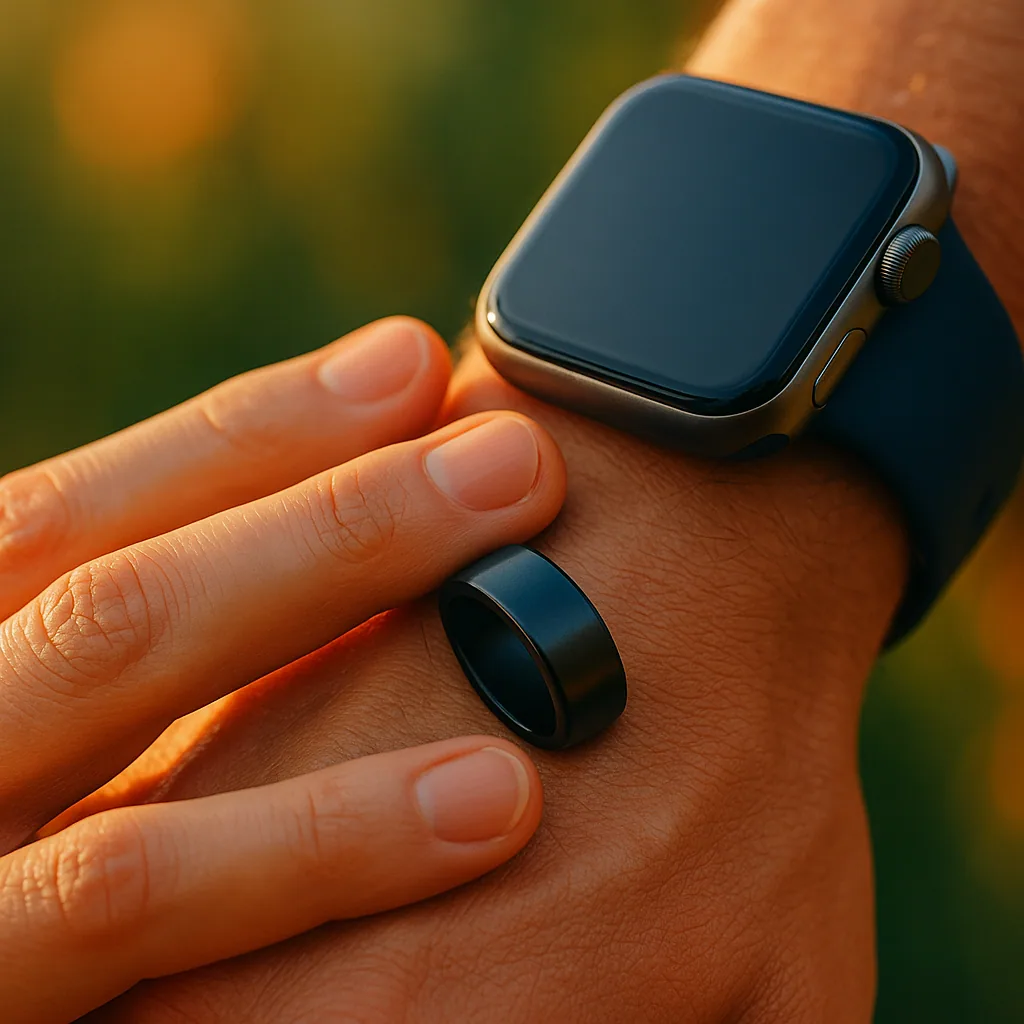
Smart Ring vs Smartwatch for Recovery Tracking

In the debate between a smart ring vs smartwatch for recovery tracking, both devices offer unique advantages. Smart rings provide discreet, continuous monitoring while smartwatches offer broader functionality. Choosing the... Read more...
Contrast Therapy: The Hot-Cold Protocol

Contrast Therapy: The Hot-Cold Protocol Contrast therapy, commonly referred to as the contrast therapy hot cold protocol, is a therapeutic technique involving alternating between hot and cold treatments. This method... Read more...
How Often to Sauna for the Longevity Benefits

How Often to Sauna for the Longevity Benefits To harness the longevity benefits of saunas, aim for 3-4 sessions per week. Regular sauna use is linked to improved cardiovascular health,... Read more...
Neurofeedback Training for Peak Focus
Neurofeedback Training for Peak Focus Neurofeedback for focus is an advanced technique used to enhance cognitive performance and maintain attention. This method leverages real-time brainwave monitoring to train the brain's... Read more...
Binaural Beats for Focus: Does the Science Hold Up?
```html Binaural beats focus is an intriguing area of study, suggesting that listening to specific audio frequencies can enhance concentration and cognitive performance. This phenomenon relies on the brain interpreting... Read more...
The Dopamine Detox: Whats Real About Receptor Reset

The dopamine detox is a strategic reduction of stimulating activities to recalibrate the brain's reward pathways, often touted to enhance focus and productivity. Unlike a strict fast, it aims to... Read more...
Exogenous Ketones: Worth It for Brain Energy?
Exogenous ketones have gained attention as a potential tool for boosting brain energy, especially for high-performance executives seeking cognitive enhancement. While they don't replace a ketogenic diet, they can supplement... Read more...
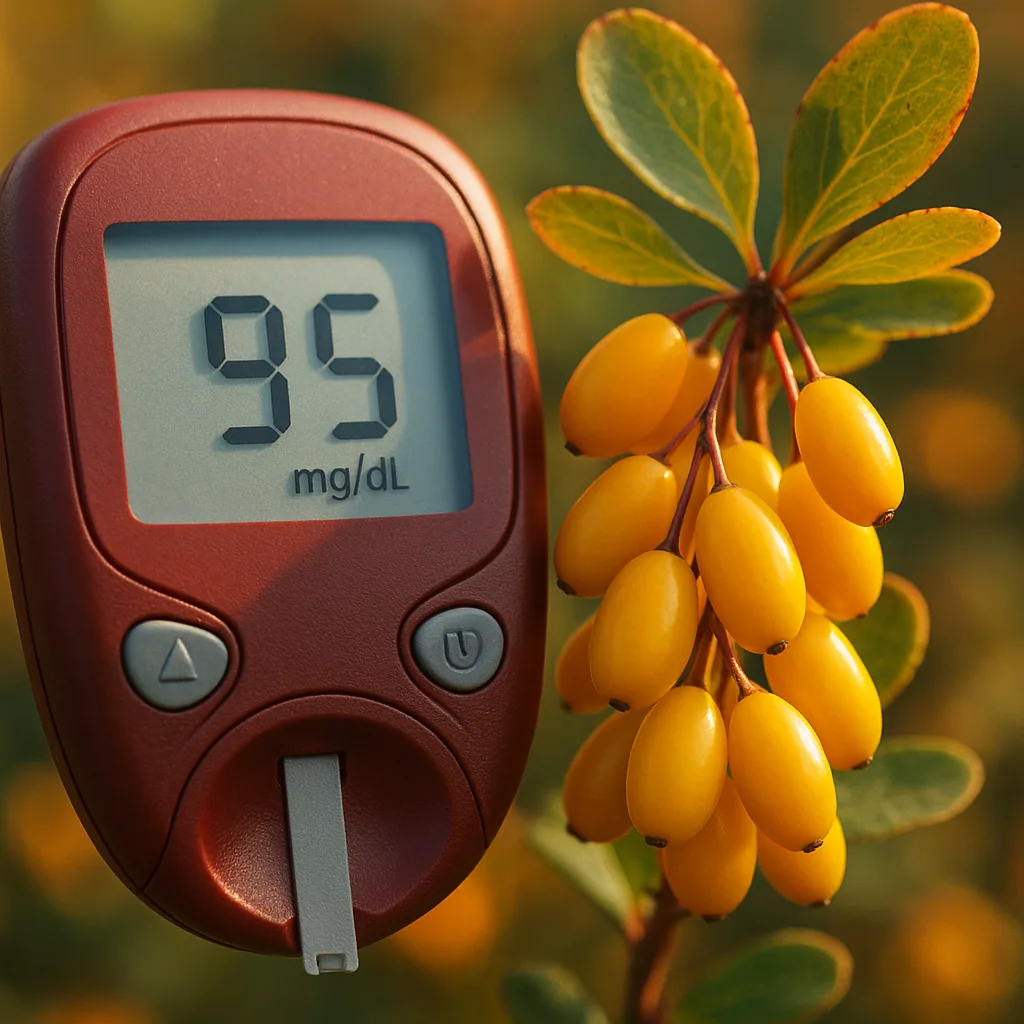
Berberine: Natures Metabolic Lever (and the Caveats)
Berberine: Nature's Metabolic Lever (and the Caveats) Berberine blood sugar management is gaining traction amongst those seeking natural methods for metabolic optimization. This compound offers promising benefits for improving insulin... Read more...
Apple Cider Vinegar Before Carbs: Does It Work?
Apple Cider Vinegar Before Carbs: Does It Work? Integrating apple cider vinegar blood sugar management into your daily routine may help regulate glucose levels, especially when consumed before carbohydrate-rich meals.... Read more...
Continuous Glucose Monitors (CGM) for Non-Diabetics

Continuous Glucose Monitors (CGM) for Non-Diabetics Continuous Glucose Monitors (CGM) for non-diabetics provide a cutting-edge method for optimizing metabolic health and performance. By offering real-time data on glucose levels, CGMs... Read more...
Mouth Taping for Sleep: Nitric Oxide and Nasal Breathing

Mouth Taping for Sleep: Nitric Oxide and Nasal Breathing Mouth taping benefits are being explored for their role in improving sleep quality through enhanced nitric oxide production and nasal breathing.... Read more...
Do Weighted Blankets Improve Deep Sleep?

Weighted blankets have gained popularity for their potential to improve sleep quality, including deep sleep phases. These blankets apply gentle pressure to the body, which may help reduce restlessness and... Read more...
Silent Sleep Apnea: The Hidden Cortisol Driver

Silent sleep apnea is a stealthy form of sleep disorder often overlooked, yet it can significantly increase cortisol levels, impacting your overall health and performance. This condition lacks the typical... Read more...
Should You Remineralize Your Water? The Case for It

Yes, you should remineralize your water to restore essential minerals that are lost in the process of purification. This practice supports optimal health and performance by providing the body with... Read more...
Sodium: Why Low-Salt Advice May Hurt Performance

Sodium: Why Low-Salt Advice May Hurt Performance Sodium plays a crucial role in physiological functions affecting sodium and performance, and low-salt diets may negatively impact physical and cognitive abilities. While... Read more...
How Much Water Do You Actually Need per Day?

How much water per day should you drink? The general guideline is about 3.7 liters (125 ounces) for men and 2.7 liters (91 ounces) for women, according to the National... Read more...
Electrolytes: The Hydration Protocol for Performance

Electrolytes and performance are intrinsically connected, influencing hydration levels and cognitive function. Proper electrolyte balance is essential for high-performance executives seeking to optimize mental and physical capacity. In this post,... Read more...
Grounding (Earthing): Hype or Real Physiology?

Grounding (earthing) refers to the practice of connecting to the Earth's natural energy by walking barefoot or using grounding devices. Proponents claim it can reduce inflammation, improve sleep, and enhance... Read more...
Water Filtration: Is Reverse Osmosis Worth It?

Reverse osmosis water filter systems are highly effective for removing contaminants from drinking water, making them a worthwhile investment for those focused on optimizing health and performance. With a filtration... Read more...
Indoor Air Quality: The Overlooked Performance Factor

Indoor Air Quality: The Overlooked Performance Factor Indoor air quality health is a critical yet often ignored aspect of optimizing executive performance. By understanding and improving the air you breathe,... Read more...
EMF Exposure: What the Evidence Actually Says

EMF Exposure: What the Evidence Actually Says EMF exposure health is a growing concern as our daily interactions with electronic devices increase. The current evidence suggests that while there are... Read more...
Endocrine Disruptors in Plastics: What to Avoid

Endocrine disruptors in plastics can interfere with hormone balance, impacting health and performance. These substances, often found in household items and packaging, can lead to various health issues. Understanding their... Read more...
How to Reduce Your Daily Toxin Load: A Practical Guide

To reduce your daily toxin exposure, start by identifying common sources of toxins in your environment, implementing effective strategies to minimize contact, and making informed lifestyle choices. This comprehensive guide... Read more...
Creatine for the Brain: Beyond Muscle

Creatine for the Brain: Beyond Muscle Creatine, commonly associated with muscle enhancement, is gaining attention for its cognitive benefits. Recent research highlights creatine's potential to support brain health and cognitive... Read more...
Nasal Breathing During Exercise: The Performance Edge
Nasal Breathing During Exercise: The Performance Edge Nasal breathing during exercise offers a unique performance edge by enhancing oxygen efficiency and reducing stress on the body. By understanding the mechanisms... Read more...
Blood Flow Restriction (BFR) Training: How and Why

Blood flow restriction training (BFR) is an advanced exercise technique that enhances muscle growth and strength while using lighter loads than traditional strength training. By partially restricting blood flow in... Read more...
Eccentric Training: Build Strength and Bone Density

Eccentric training benefits have gained attention for optimizing strength and building bone density effectively. This technique involves focusing on the elongation phase of muscle contraction, proving to be a potent... Read more...
Grip Strength: A Surprising Predictor of Lifespan

Grip strength is not just an indicator of physical fitness; it is emerging as a critical predictor of lifespan and longevity. Recent research highlights that stronger grip strength is associated... Read more...
How to Increase VO2 Max: The Training Protocol

How to Increase VO2 Max: The Training Protocol Unlocking your potential to increase VO2 max can lead to significant improvements in athletic performance and overall health. VO2 max, a measure... Read more...
Zone 2 Cardio: The Mitochondrial Endurance Protocol

Zone 2 Cardio: The Mitochondrial Endurance Protocol Zone 2 cardio is a fundamental exercise intensity that enhances mitochondrial function and boosts endurance, crucial for high-performance executives seeking to optimize their... Read more...
How Much Fiber for Gut Health (and the Best Sources)

How Much Fiber for Gut Health (and the Best Sources) The optimal intake of fiber for gut health is around 25-38 grams per day, depending on age and gender. Adequate... Read more...
The Best Prebiotic Foods for a Stronger Microbiome

The best prebiotic foods can significantly enhance your microbiome, promoting better gut health and overall wellness. Prebiotics are non-digestible fibers that feed the beneficial bacteria in your gut, helping them... Read more...
Leaky Gut: Real Mechanism Real Fixes
Leaky gut symptoms can manifest as digestive issues, fatigue, and even mood disorders, challenging the overall health of high-performance executives. These symptoms result from increased intestinal permeability, where the gut... Read more...
Prebiotics vs Probiotics: The Difference and What to Take

Prebiotics vs probiotics: Understanding the difference is crucial for optimizing gut health. Prebiotics are non-digestible fibers that nourish beneficial bacteria, while probiotics are live bacteria that improve the balance of... Read more...
The Gut-Brain Axis: How Your Microbiome Drives Mood

The gut-brain axis is a bidirectional communication network that connects your intestinal microbiome with your brain, profoundly influencing mood and mental health. Understanding this connection can inform effective strategies to... Read more...
Gut Health: The Microbiome Optimization Protocol

Gut Health: The Microbiome Optimization Protocol Optimizing gut health involves creating a balanced microbiome, which can enhance overall wellness and performance. The right protocol can improve digestion, nutrient absorption, and... Read more...
Adaptogens for Stress: Which Ones Have Evidence

Adaptogens for stress are natural substances that help the body manage stress more effectively. Key adaptogens with scientific backing include ashwagandha, Rhodiola rosea, and holy basil. These botanical compounds can... Read more...
The Cortisol Awakening Response: Use It Dont Blunt It

The cortisol awakening response is a vital part of the body’s natural rhythm that supports a seamless wake-up process by boosting energy and alertness. This response can be harnessed to... Read more...
The Physiological Sigh: The Fastest Way to Calm Down

The physiological sigh is a rapid and effective breathing technique designed to calm the nervous system almost instantly. By engaging in a double inhale followed by a prolonged exhale, individuals... Read more...
Box Breathing: The Navy SEAL Focus Protocol
Box Breathing: The Navy SEAL Focus Protocol Box breathing benefits are profound, guiding high-performance executives toward enhanced focus and stress management. This tactical breathing technique, utilized by Navy SEALs, involves... Read more...
Vagus Nerve Stimulation: How to Activate Parasympathetic Tone

Vagus Nerve Stimulation: How to Activate Parasympathetic Tone Vagus nerve stimulation is a recognized method to enhance parasympathetic tone, promoting relaxation and reducing stress. By engaging in specific techniques, high-performance... Read more...
How to Lower Cortisol: An Evidence-Based Protocol

How to Lower Cortisol: An Evidence-Based Protocol To lower cortisol levels effectively, implement a combination of lifestyle changes, including improved sleep hygiene, regular physical activity, and stress management techniques. These... Read more...
Light Therapy for Mood and Energy: How to Use It

Light Therapy for Mood and Energy: How to Use It Light therapy for mood harnesses specific wavelengths of light to influence mood and energy levels. This clinically-studied therapy can help... Read more...
Photobiomodulation for Brain Health: The Evidence

Photobiomodulation for Brain Health: The Evidence Photobiomodulation brain therapy utilizes light to enhance cognitive function and promote brain health. This non-invasive approach may support mental clarity and performance by targeting... Read more...
Do Blue Light Blocking Glasses Actually Work?
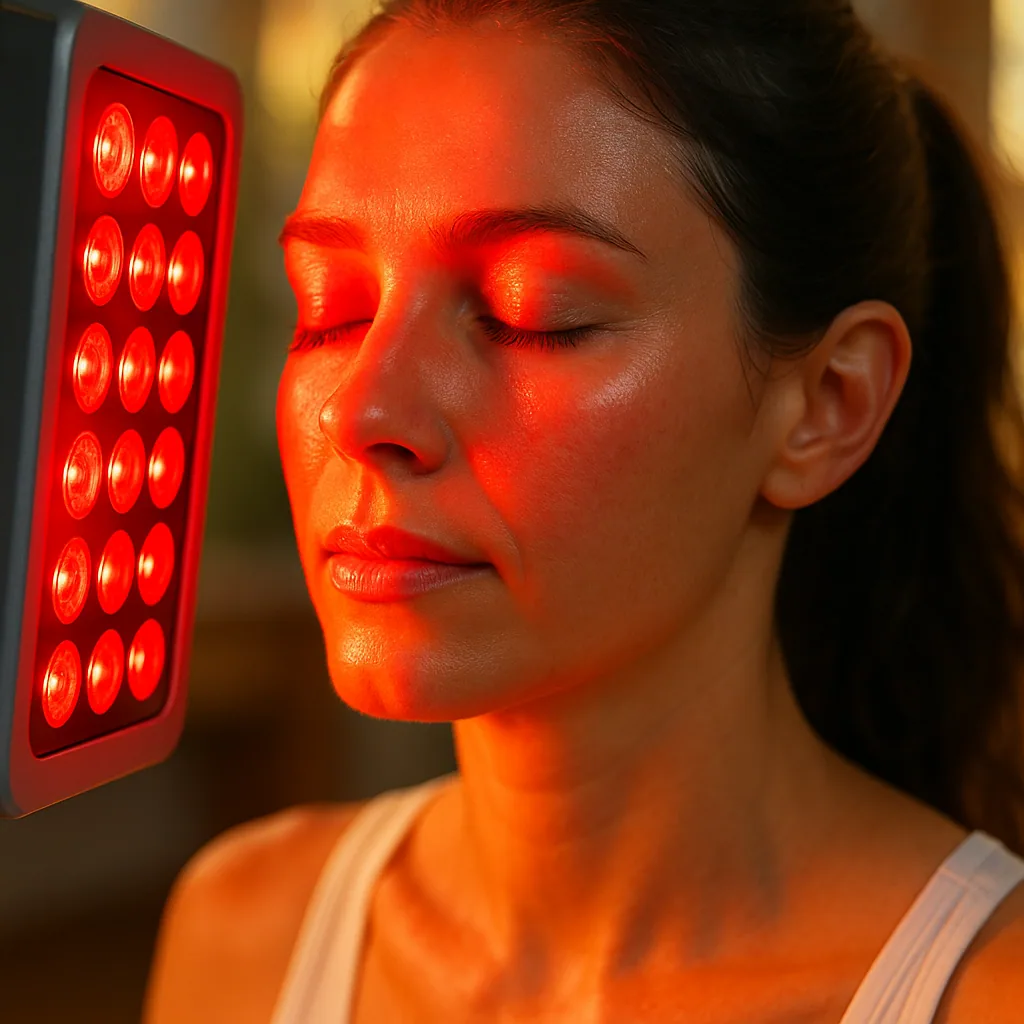
Do blue light blocking glasses work? Yes, blue light blocking glasses can effectively reduce eye strain and improve sleep patterns by filtering out blue light from digital screens. While more... Read more...
Red Light Therapy: Benefits Dosing and Devices

Red light therapy benefits include improved cellular function and reduced inflammation, making it an appealing option for high-performance executives looking to enhance productivity and well-being. By targeting the body's natural... Read more...
Morning Sunlight: The 10-Minute Circadian Anchor
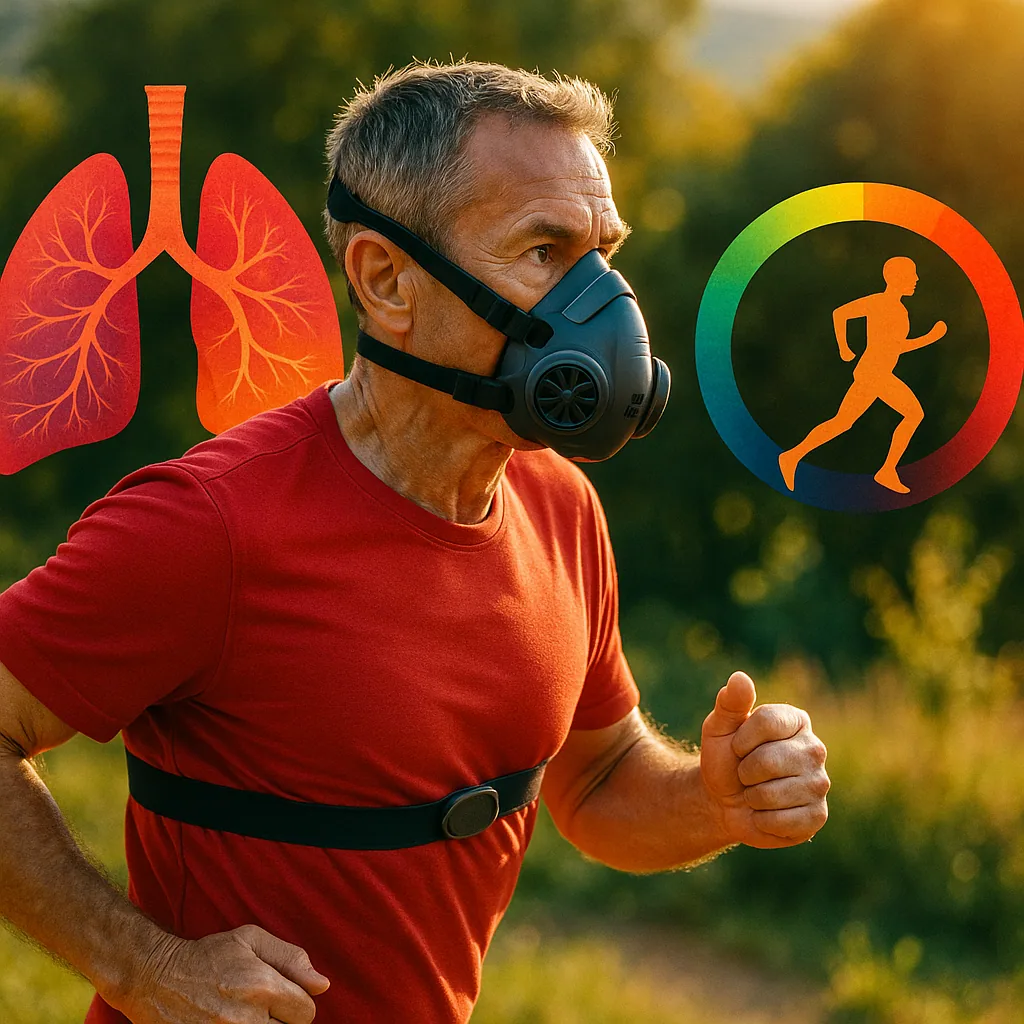
Morning Sunlight: The 10-Minute Circadian Anchor Experiencing morning sunlight benefits can profoundly impact the synchronization of your circadian rhythms, acting as a powerful anchor for your biological clock. By spending... Read more...
VO2 Max: The Strongest Predictor of Longevity
VO2 max is emerging as one of the strongest predictors of longevity, serving as a key indicator of cardiovascular and respiratory health. By understanding and optimizing your VO2 max, you... Read more...