
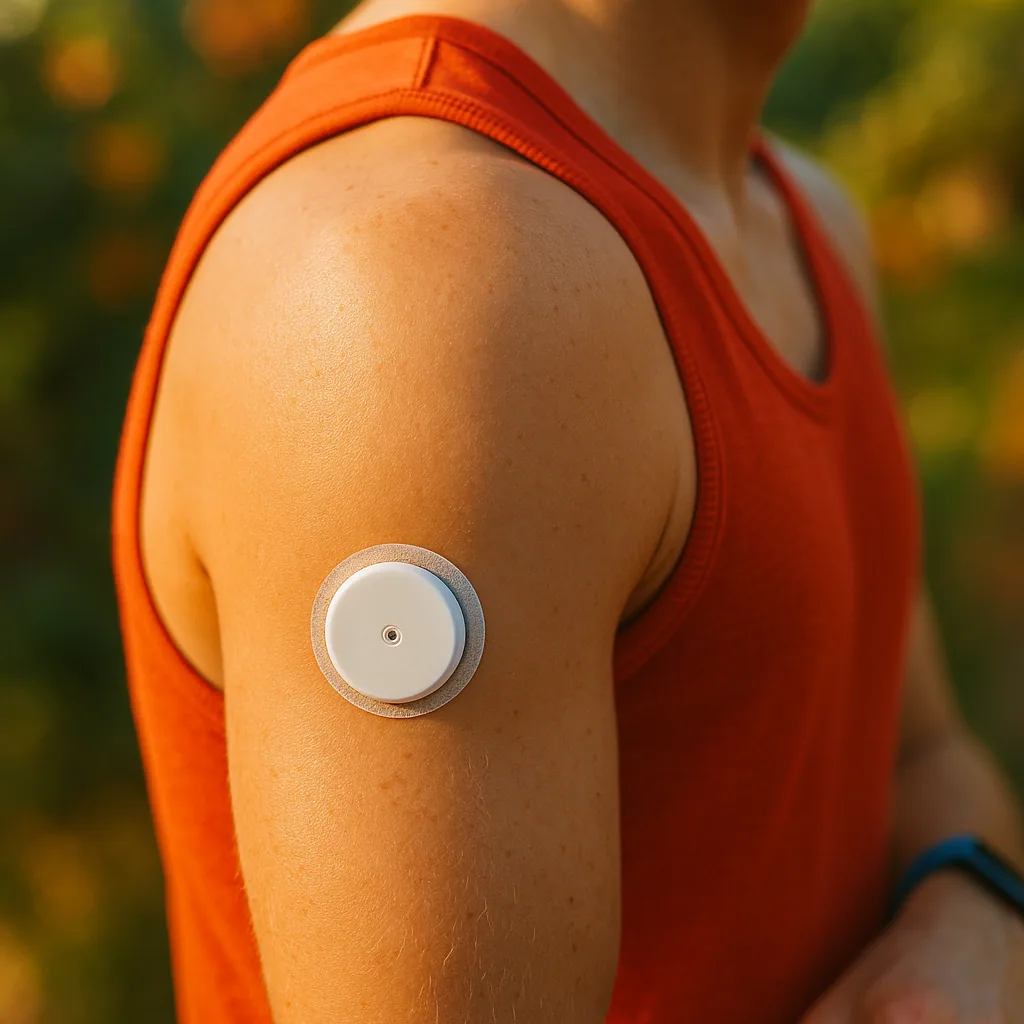
Continuous Glucose Monitors (CGM) for Non-Diabetics
Continuous Glucose Monitors (CGM) for non-diabetics provide a cutting-edge method for optimizing metabolic health and performance. By offering real-time data on glucose levels, CGMs allow healthy individuals, such as high-performance executives, to tailor their diet and lifestyle for peak productivity.
The Scientific Mechanism: How CGMs Work
At the core of a Continuous Glucose Monitor is its ability to provide consistent feedback on glucose fluctuations in the bloodstream. Unlike periodic testing, a CGM offers a dynamic view of glucose levels over time, delivering insights into how diet, exercise, and stress impact blood sugar.
The device measures interstitial glucose levels via a filament inserted under the skin, which communicates with a display device or smartphone app. Studies show that non-diabetics can also benefit from glucose monitoring. For instance, a study by Zeevi et al. (2015) revealed that individuals exhibit personalized glucose responses to identical meals, which underscores the potential of CGMs to guide personalized nutrition strategies.
CGM Protocol for Non-Diabetics
Implementing a CGM can help executives manage their metabolic health effectively. Here’s a step-by-step protocol:
- Choose the Right CGM Device: Select a CGM device that can synchronize with your smartphone for real-time data tracking.
- Consult a Healthcare Professional: While CGMs can be purchased independently, consulting with a healthcare provider ensures a safe and accurate setup.
- Install and Calibrate: Follow the manufacturer's instructions to insert the sensor under your skin, typically on your abdomen or arm. Calibrate as needed, using a fingerstick glucose test.
- Monitor Your Glucose Levels: Use the app to track glucose data over a period of weeks. Observe patterns related to diet, exercise, and stress.
- Adjust Diet and Lifestyle: Based on the data, tailor your dietary and exercise routines. For instance, if certain foods spike your glucose, consider adjusting meal timing or composition.
- Review and Reassess: Periodically review the data with a healthcare professional, adjusting your strategy to optimize metabolic health.
Conclusion
While initially intended for diabetics, CGMs have proven valuable for non-diabetics seeking to enhance metabolic efficiency and overall performance. By leveraging the data-driven insights of CGMs, high-performance executives can implement strategic changes to their lifestyle, resulting in improved energy levels and cognitive function.
However, it is imperative to remember that CGMs should not replace professional medical advice, and any major lifestyle changes should be discussed with a healthcare provider.
Disclaimer: This article is for informational purposes only and does not constitute medical advice. Please consult a healthcare professional for personalized guidance.